


Buying multiple trailers changes the process because each unit must meet the same operational standards once it enters service. Businesses need to look beyond purchase price and consider how well each trailer fits the intended workload. Businesses should also plan for inspections before equipment arrives on-site. A structured buying process helps prevent a weak unit from creating maintenance problems across an otherwise dependable fleet. Here’s what to expect when buying fleet trailers.
Start With the Work the Trailers Need To Perform
Begin fleet purchases with a clear operating requirement rather than a general search for available equipment. A trailer used primarily for warehouse overflow does not face the same demands as one that moves freight every day. That difference affects which condition standards deserve the most attention during the search. Define the work first to keep teams from paying for features they do not need or accepting equipment that cannot support daily use.
For instance, storage-focused fleets often place greater emphasis on interior condition because the trailer spends long periods holding inventory. Road-use fleets, on the other hand, require closer attention to components that affect movement and compliance. When buyers establish these requirements early, they evaluate listings against real operating needs.
Expect More Work When Standardizing Fleet Specifications
Consistency simplifies fleet management after the purchase, but it requires discipline during selection. Businesses often benefit when trailers share similar dimensions because loading procedures remain familiar across the fleet. Matching door configurations also reduces confusion when teams rotate equipment between locations. Standardization becomes especially useful when several facilities need to use the same trailers.
A mixed fleet can still work, but buyers should understand why each variation exists. Adding an uncommon trailer simply because the price looks attractive can introduce maintenance or operational complications later.
Decide Which Specifications You Need
Before reviewing inventory, determine which trailer characteristics directly affect operations. Length often sets the first boundary because it influences storage capacity and yard fit. Door style can matter just as much when existing docks or loading routines depend on a specific configuration.
Once buyers identify these nonnegotiable specifications, they can remain flexible on less critical details without compromising the purpose of the purchase. Knowing where flexibility exists prevents the search from stalling over cosmetic differences.
Inspect Used Trailers Beyond Their Exterior Appearance
Used trailers often show cosmetic wear that does not prevent them from performing well. At the same time, a clean exterior can hide problems that affect storage or loading. Focus your inspection on areas that influence daily usability. Aim to understand how the trailer will perform after delivery, not how polished it looks in a listing.
Pay close attention to floor condition because it carries both stored goods and loading equipment. Scrutinize signs of water intrusion inside the trailer, as leaks can damage stored inventory long after the purchase.
Condition Records Give the Inspection More Context
Available maintenance records help buyers understand what happened before the trailer reached the sales lot. They can show whether previous owners addressed recurring concerns or stayed current with routine service. That history adds context to inspection findings because visible wear does not always reveal how the equipment performed over time. If records are limited, rely even more on the physical inspection.
Buyers should also confirm that identification information matches the sales paperwork. The trailer VIN must match the documentation for that specific unit. Fleet purchases involve several pieces of equipment, so administrative errors become easier to make when transactions move quickly.
Compare Purchase Price With Expected Ownership Costs
The lowest-priced trailer does not automatically create the lowest cost for the fleet. A unit that needs immediate floor work can consume part of the savings before it enters regular use. Tires can create another early expense when their condition varies significantly across several trailers. Gather enough information to estimate what each unit will require after purchase.
For this reason, consider the overall condition pattern rather than evaluating each trailer in isolation. A group of slightly higher-priced units with more consistent condition can support easier budgeting than a mixed group that needs unpredictable repairs.
Plan for Delivery and Site Placement Before Purchase
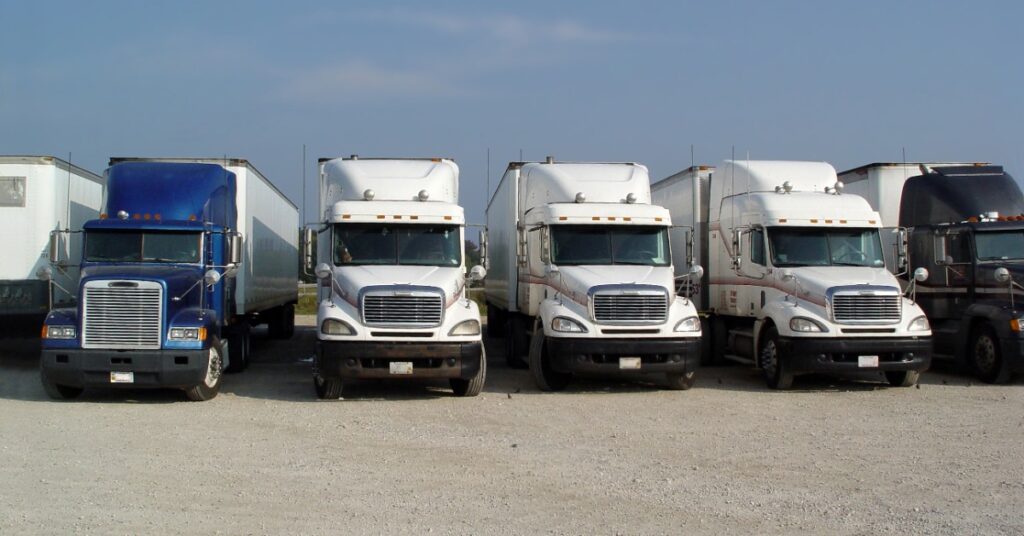
Fleet purchases require more yard planning than buying a single trailer. Several units can occupy significant space once they arrive, which can affect traffic patterns around the facility. Determine where each trailer will sit before scheduling delivery.
Before purchase, confirm several practical details:
- Verify trailer dimensions against available yard space.
- Confirm delivery access before scheduling arrival.
- Assign a placement area for each incoming unit.
- Check ground stability where trailers will remain parked.
- Keep door access clear for routine loading activity.
- Plan how the fleet will fit into existing site traffic.
Understand How Fleet Size Affects the Buying Timeline
Buying one available trailer can move quickly, but fleet purchases often require more coordination. You may need several units that meet comparable condition standards. That requirement narrows the available pool, particularly when a business wants the same size across the entire purchase. Start the search earlier to give teams more time to evaluate equipment without compromising key specifications.
Availability can also shape whether a fleet purchase happens all at once. Some businesses buy units in phases when the right trailers become available over time. A phased approach works well when capacity needs grow gradually. When demand requires several trailers immediately, establish clear minimum standards before reviewing inventory to avoid rushed decisions.
Prepare for Fleet Maintenance After the Purchase
The buying process does not end when trailers arrive at the yard. Enter new additions into the company’s maintenance system from the start. Assign each unit a clear internal identifier so employees can track its service history. That creates a reliable baseline for future maintenance decisions.
Used trailers may also need initial service before regular deployment. Address inspection findings early rather than allowing known wear to sit until a failure occurs. This creates a more consistent starting condition across the fleet. It also helps maintenance teams plan work instead of responding to problems after trailers enter daily operations.
Build the Purchase Around Long-Term Fleet Use
A fleet trailer purchase should solve today’s capacity problem without creating tomorrow’s equipment mismatch. Consider how each unit will integrate with existing loading practices after delivery. Also consider how long the business expects to keep the equipment.
View the process of buying fleet trailers as an operational investment so it leads to a more disciplined purchase process. Set clear specifications before evaluating inventory, then verify condition against those requirements.
Trailer Leasing Solutions offers used semi-trailers for storage, helping businesses add dependable capacity for overflow or excess inventory without committing to a new unit. Our team will help you review available options, focusing on condition and fit, so the trailer supports daily storage needs from the start. Contact Trailer Leasing Solutions to check current availability and find a used trailer that aligns with your long-term fleet plans.