


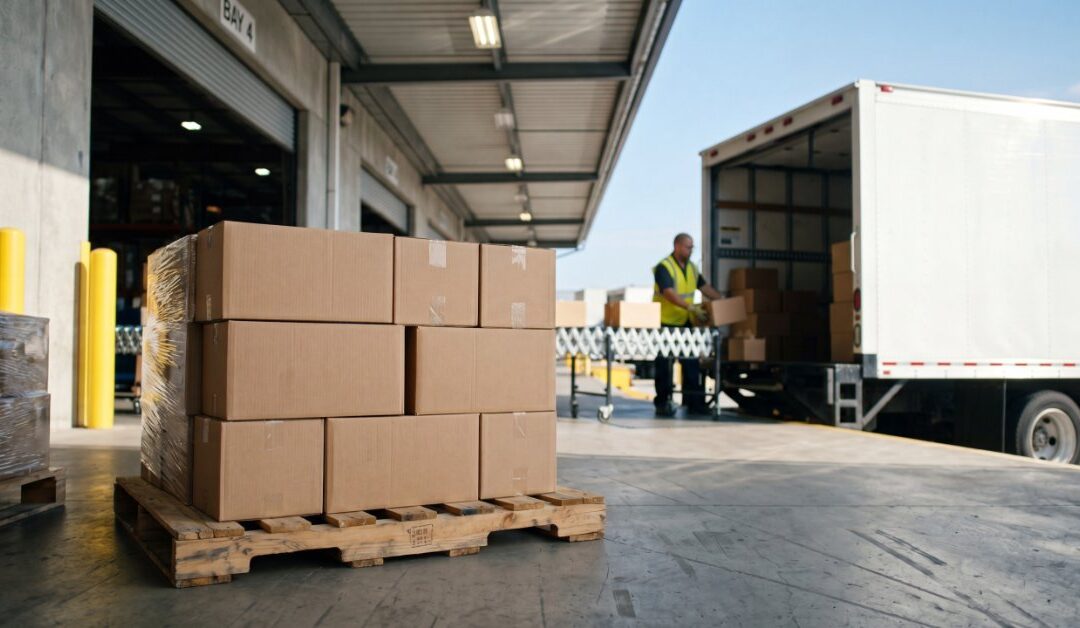
When your warehouse starts running out of room, you may add storage capacity as the obvious solution. However, how you use that extra space determines whether it actually improves your operation.
Consider where inventory will go and how your employees will access it without interrupting their regular work. A thoughtful approach to efficient storage planning with container leasing helps you make those decisions before overcrowding becomes a larger problem.
Identify Your Storage Requirements Before Leasing
Start by looking at where your current storage arrangement falls short. Perhaps your warehouse handles regular inventory comfortably, but incoming shipments leave employees searching for temporary space. You may also have slower-moving products occupying locations that your team needs for frequently requested stock. Understanding the cause of the congestion helps you decide which inventory belongs in a leased container.
Next, review how long those products typically remain in storage. If your business receives seasonal inventory months before demand increases, you need enough space to hold those goods until they begin moving. Short-term overflow from a large shipment calls for a different approach.
Your inventory records help you estimate how much additional capacity you actually need. Use past volume increases as a reference, then factor in any upcoming changes to your purchasing schedule. This approach gives you a more practical starting point than simply leasing the largest available container.
Choose Container Sizes Based on Usable Space
Container dimensions matter, but do not let available floor space alone determine your choice. Plan how your employees will arrange the inventory once the unit arrives. A container holds a substantial amount of material, yet poor organization makes products near the back difficult to retrieve.
Before selecting a size, consider how frequently your team will access the goods. If the container holds inventory employees retrieve daily, leave enough room to reach those products without unloading everything in front of them. For longer-term storage, you can arrange items more densely because retrieval happens less often.
Consider How You Load the Container
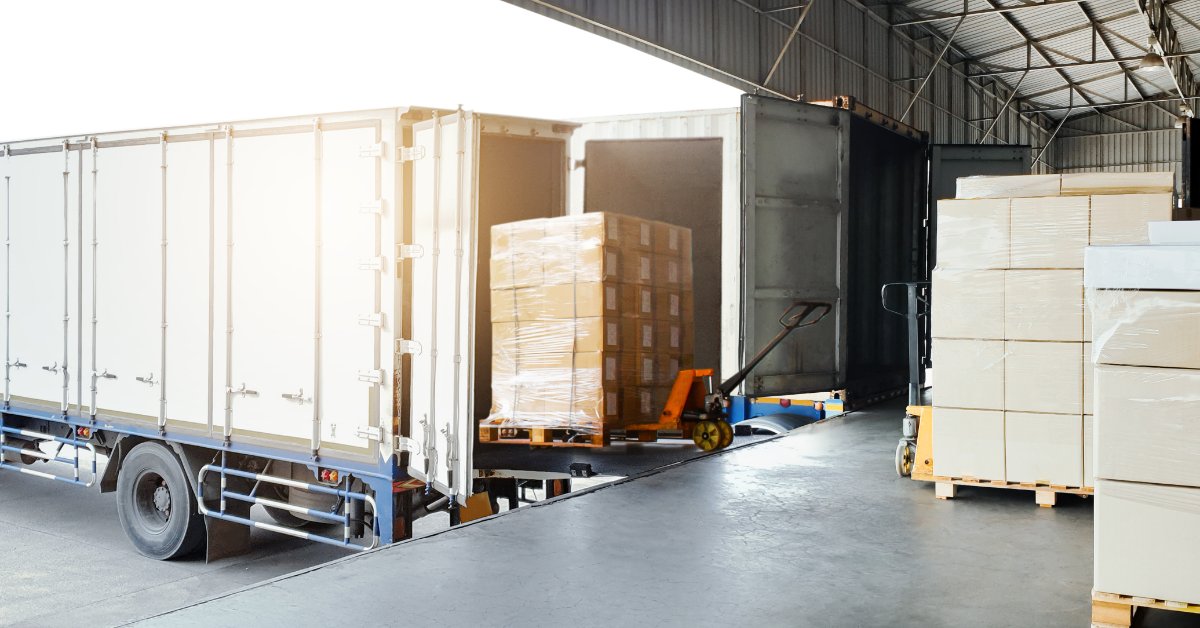
Your material-handling equipment determines which container arrangement works best. If employees use pallet jacks, provide an appropriate way to move loads through the entrance. Forklift operations require extra consideration because the equipment’s weight and loading methods must suit the container. Discuss these requirements with the leasing provider before delivery.
Position Containers to Support Daily Operations
Once you understand your capacity needs, decide where the container should sit on your property. The most convenient location is not always the one closest to your warehouse doors. You also need to consider how the unit will affect vehicle movement around the facility.
For inventory that employees retrieve regularly, shorter travel distances can make a noticeable difference during busy shifts. However, placing a container too close to an active loading area can interfere with deliveries. Choose a location that offers convenient access without creating another obstacle.
Organize Inventory Around Retrieval Needs
Additional storage does little if employees struggle to find what they need. When you move inventory into a container, define that space’s purpose within your existing storage system. This approach becomes especially important when products move between the warehouse and the container throughout the day.
Start with the goods your team handles most often. Position those items closer to the entrance so employees can retrieve them without repeatedly moving other stock. Reserve less accessible areas for products that will remain in storage longer.
Keep Inventory Records Current
Moving inventory outside your main building should not make tracking harder. Assign each container a specific location in your inventory system and record transfers as they happen. Without accurate location records, employees waste valuable time checking the wrong place for available stock.
Protect Inventory During Extended Storage
Before you move materials into a leased container, assess how storage conditions will affect them. Standard enclosed storage containers protect against direct weather exposure, but they do not automatically control interior temperature or humidity.
This distinction matters when you store moisture-sensitive products. Outdoor temperature changes can cause condensation inside metal containers. If your inventory requires controlled conditions, confirm the appropriate storage requirements before selecting a unit.
Loading practices also determine how well materials remain protected. For suitable products, use pallets to keep inventory off the container floor and to make future handling easier. Avoid placing moisture-sensitive goods directly against exterior walls where condensation could affect them.
Match Lease Terms to Inventory Demand
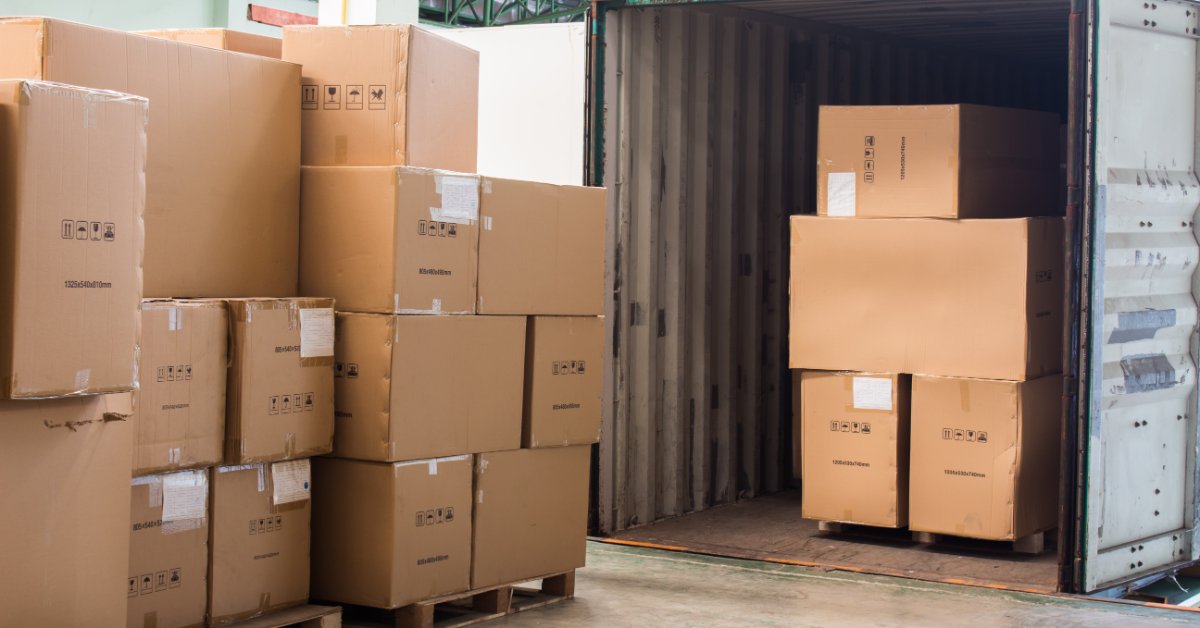
Your storage needs should shape your lease length. If you regularly experience seasonal inventory increases, look at when that additional volume arrives and how long it stays. This helps you plan container availability around your actual operating calendar. A facility renovation creates a different storage timeline. In that situation, you need enough capacity to accommodate materials while work continues inside the building.
You should also review the full cost of the leasing arrangement. Monthly rental rates are important, but transportation charges can affect the overall expense. Ask about delivery and pickup costs so you understand the financial commitment before scheduling the unit. Finally, review the agreement’s notice requirements. Knowing when to request an extension or arrange removal helps prevent scheduling problems at the end of the lease.
Prepare the Site Before Container Delivery
Even a well-planned storage arrangement becomes difficult to use if the container arrives at an unsuitable location. Before you schedule delivery, walk through the proposed placement area and determine how the delivery vehicle will approach it.
Use this checklist when preparing your site:
- Confirm that the delivery vehicle can reach the placement area.
- Check for overhead obstructions along the access route.
- Select stable ground with appropriate drainage.
- Leave sufficient clearance for the container doors.
- Verify applicable property and placement requirements.
- Assign someone to inspect the container upon arrival.
Once the unit arrives, inspect its condition before loading any inventory. Open and close the doors to confirm they operate properly, then examine the interior for visible damage or signs of water intrusion. Document any concerns and promptly communicate them to the leasing provider.
Make Container Leasing Part of Your Storage Strategy
You gain more value from leased storage when you plan how it will function alongside your existing warehouse. The container should accommodate the inventory that places the greatest pressure on your facility while keeping those materials accessible when employees need them.
View efficient storage planning with container leasing as an opportunity to improve how your facility handles changing demand. With the right placement and a clear inventory system, you can relieve pressure on your warehouse without making permanent changes to the building.
If your business needs additional on-site storage, Trailer Leasing Solutions LLC offers both leasing and purchasing options to help you manage changing inventory demands. For larger storage requirements, we also offer a 53-foot shipping container for sale in Dallas-Fort Worth. Contact Trailer Leasing Solutions to discuss availability and find a practical storage arrangement that supports your facility’s workflow and expected timeline.