


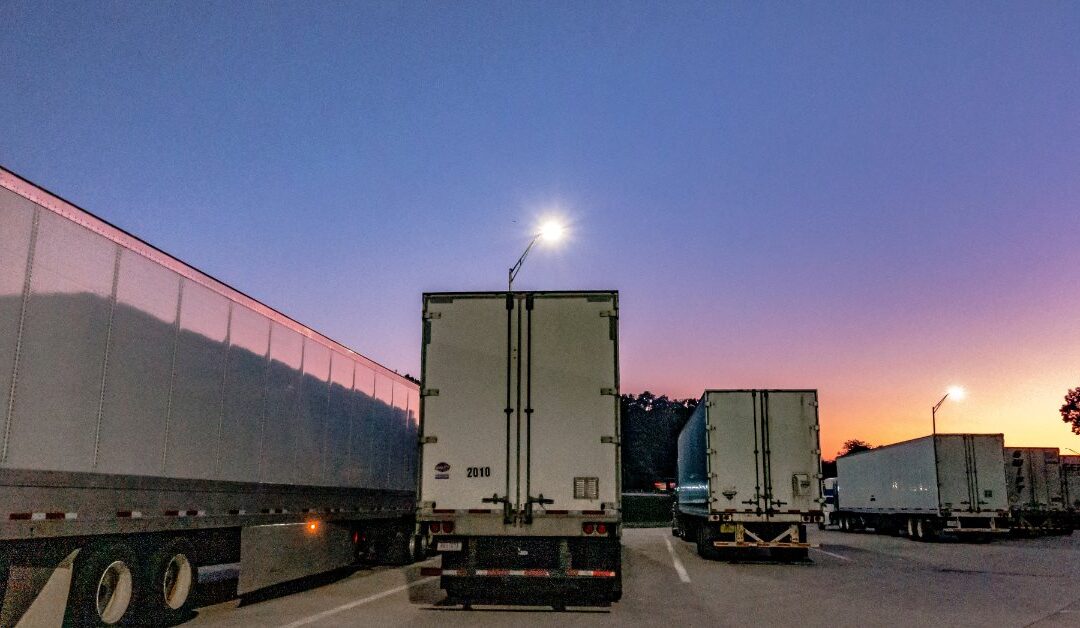
When choosing between self-pickup and delivery for your leased trailers, the right choice usually comes down to how much control you want over transportation and how prepared your site is to receive the equipment. Self-pickup gives your team direct control over timing, while delivery shifts the transportation process to the leasing provider. Both options can work well, but they create different responsibilities before the trailer ever reaches your facility.
What Self-Pickup Involves
With self-pickup, your business arranges the tractor and qualified driver to pick up the leased trailer from the provider’s location. This option gives you more control over scheduling because you can coordinate pickup around your own transportation resources. It can also make sense if your operation already manages trailer moves regularly.
However, self-pickup places transportation responsibility on your team. You need the right equipment and a driver who can handle the trailer safely. Before departure, your team should also confirm that the trailer is ready for transport and that the lease documentation matches the unit being collected.
What Delivery Involves
Delivery allows the leasing provider to arrange transportation to your facility. This can simplify the process when your business doesn’t have a tractor available or doesn’t want to pull internal resources away from daily operations. The provider coordinates the trailer move, while your team focuses on preparing the destination.
Even with delivery, you remain responsible for site readiness. The driver needs enough access to position the trailer safely. Confirm turning space and placement conditions before the scheduled arrival so the delivery doesn’t create avoidable delays.
How Scheduling Differs
Self-pickup gives you more direct control over when the trailer leaves the provider’s yard, which helps if you already have a driver moving equipment in the area. At the same time, your schedule depends on the availability of internal transportation.
Delivery reduces that internal coordination; however, you still need to work within an agreed delivery window. Planning becomes especially important when the trailer needs to arrive before a seasonal surge or project start.
Consider the Total Transportation Cost
The rental rate does not always reflect the full cost of getting a trailer into position. With self-pickup, your business absorbs the tractor and driver costs. Delivery usually adds a transportation charge, but it can reduce the time your team spends coordinating the move.
Compare both options based on the resources your operation already has available. The cheaper transportation method on paper doesn’t always mean the lowest overall operational cost.
Choose Based on Your Operation
Understanding the difference between self-pickup and delivery for leased trailers helps you plan beyond the monthly lease rate. Self-pickup works well when your business already has the transportation resources to manage the move efficiently. Delivery offers a more hands-off option when you want the provider to handle that part of the process. Choose the option that fits your schedule and keeps trailer placement from disrupting normal operations.
Trailer Leasing Solutions offers semi-trailer leasing services that give businesses a practical way to add capacity without taking on the long-term commitment of purchasing equipment. Whether you plan to handle transportation internally or prefer delivery to your site, we’ll provide a straightforward leasing process that keeps timing and placement aligned with your workflow. Contact the team today to review availability.