


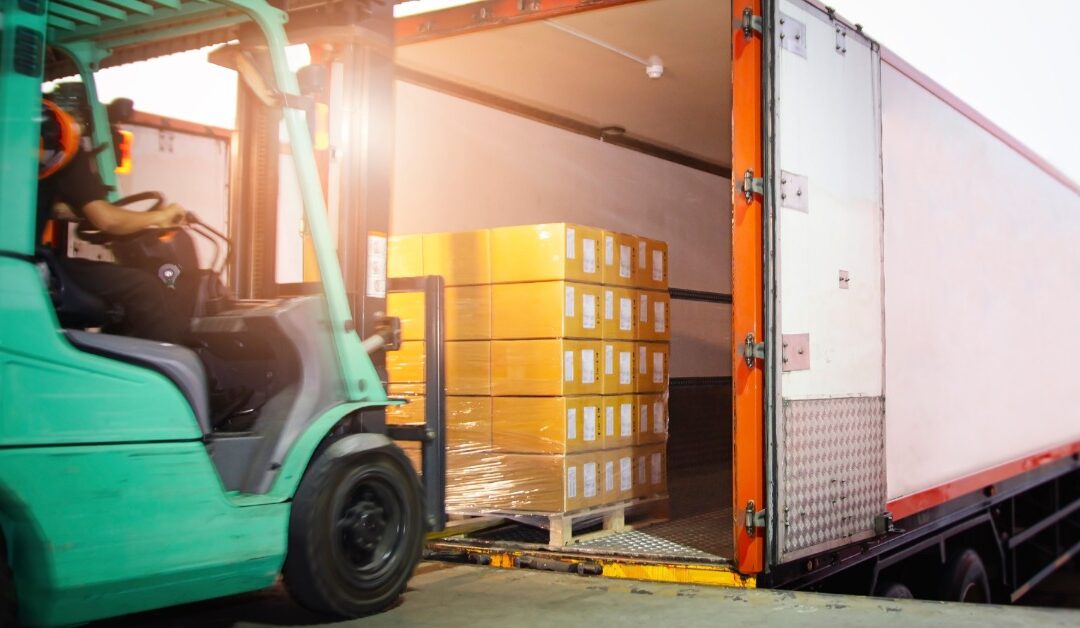
When warehouse space is limited, moving inventory outdoors may be practical. However, temperature changes can damage materials and disrupt operations. You need storage that protects goods while keeping them accessible.
Weather-resistant trailers offer enclosed storage that shields inventory from direct exposure to the elements. Read on to see how weather-resistant trailers protect your stored goods.
Strong Roof Construction Keeps Rain Away From Your Inventory
Heavy rainfall impacts the trailer’s roof directly, so it is essential to keep the roof in good condition to ensure the storage area remains dry. Dry van trailers use continuous roof assemblies to prevent water from entering the cargo space.
When rain hits the roof, it flows across the exterior instead of falling directly onto your stored materials. This barrier is especially valuable when you store cardboard packaging or finished products that cannot tolerate water exposure.
Watch for Early Signs of Roof Damage
Before loading valuable goods, inspect the roof and interior ceiling. If you notice water stains or signs of previous leaks, investigate further. Check the interior after heavy rain. Addressing damage early ensures the roof remains your inventory’s first line of defense.
Tight Door Seals Prevent Water From Entering
Even when the roof is intact, poorly sealed doors may let rain enter. During storms, strong winds push water against the rear opening, where small gaps can become entry points.
Weather-resistant trailers use fitted door gaskets to seal the space between the doors and their frames. When you close the doors correctly, the gaskets create a barrier that prevents wind-driven rain from reaching the cargo area.
The seal depends on proper door alignment and locking hardware that consistently contacts the frame. If a gasket is damaged or the doors are misaligned, water may seep inside during a storm. Before leaving inventory unattended, ensure the doors close evenly and the locking mechanisms engage fully.
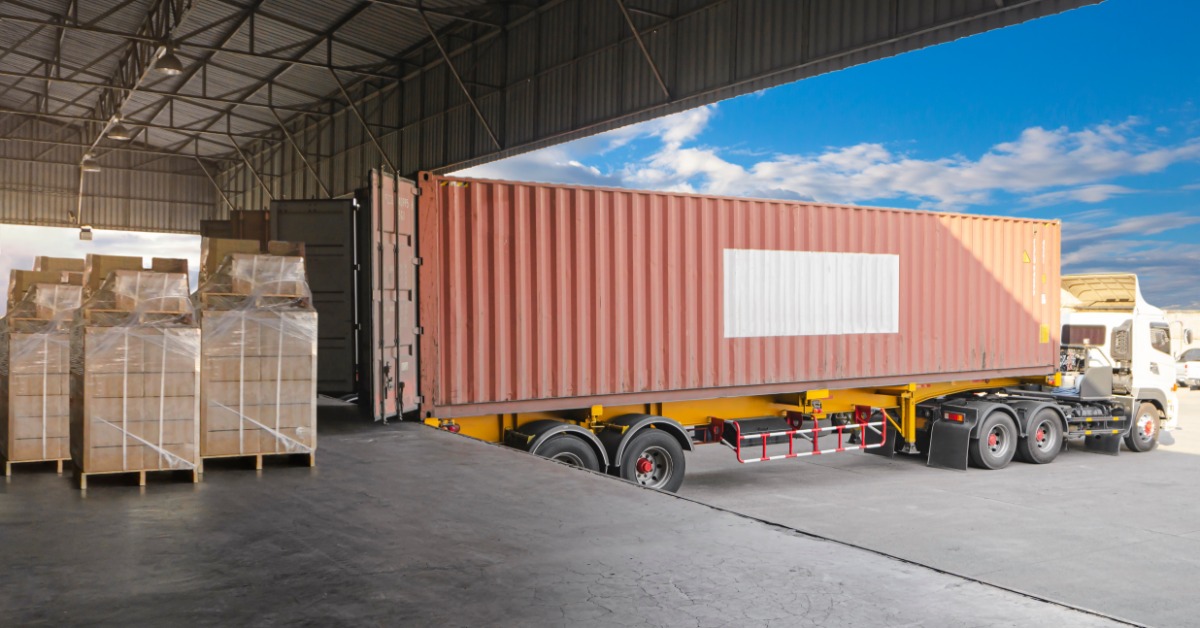
Intact Sidewalls and Seams Block Hidden Moisture Entry Points
The trailer’s walls create a weather-resistant enclosure that prevents windblown rain from entering the cargo space. Unfortunately, loading activities sometimes leave damage that goes unnoticed. A forklift might strike an interior wall, or a shifting load could pressure an already weakened panel. When damage creates an opening through the exterior, rain can flow directly into the storage area.
Inspect the sidewalls before loading and check for new damage during routine use to reduce these risks. If you notice these warning signs, address the source before you place additional goods against the affected wall.
Elevated Floors Keep Stored Goods Above Surface Water
Rain may reach stored products from below as water can collect around the storage area, especially when equipment sits on poorly drained ground. One advantage of a storage trailer is its elevated cargo floor. Instead of placing goods directly on pavement or soil, you keep your inventory inside an enclosure raised above ordinary puddles and surface runoff.
This separation protects materials from the moisture and mud that commonly accumulate around outdoor storage areas. It particularly benefits facilities that need temporary storage without constructing a permanent building.
Keep Materials Dry Before Loading
Suppose you load pallets that have been sitting outside during a rainstorm. Even if the products remain covered, wet pallet surfaces and damp packaging bring moisture into the storage area.
Once you close the doors, moisture stays inside until it escapes or you control it. As temperatures fluctuate, condensation can form on cooler interior surfaces.
Whenever possible, dry damp materials before you move them into enclosed storage. For longer storage periods, regularly check the interior to detect moisture buildup before it affects your goods.
Keep in mind that a standard weather-resistant trailer does not control humidity. If your products require specific moisture conditions, use storage equipment designed to maintain those requirements.
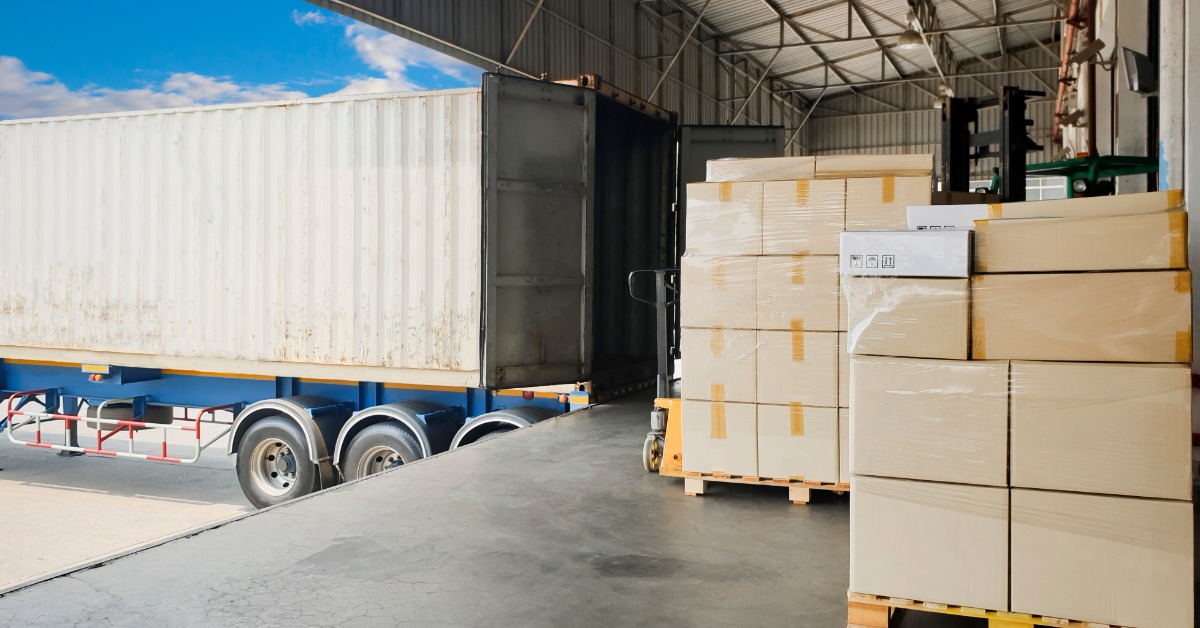
Temperature Changes Still Affect Stored Products
Keeping rain out is essential, but weather resistance does not keep the trailer at a constant interior temperature. During hot weather, sunlight heats the trailer’s exterior and raises temperatures inside the cargo space. When outside temperatures fall, the interior also cools.
For many durable products, these temperature fluctuations do not prevent you from storing them outdoors. However, certain materials have manufacturer-defined storage limits that require closer attention.
This gives you a clear understanding of which goods belong in ordinary dry van storage and which need a controlled environment. When you separate those materials, you use available space more effectively without compromising product quality.
Regular Inspections Keep Weather Protection Reliable
Weather-resistant features perform best when you maintain them. Over time, sunlight degrades seals, repeated door operation wears out hardware, and routine loading puts stress on trailer components.
A practical inspection checklist should include:
- Roof and upper seams: Look for punctures and deteriorating sealant.
- Rear doors: Check gasket condition, door alignment, and locking hardware.
- Sidewalls: Identify punctures and signs of previous water entry.
- Floor and threshold: Watch for gaps and standing water.
- Interior surfaces: Look for water stains, condensation, and damp packaging.
- After-storm conditions: Check for new leaks or damage following severe weather.
If you make these checks part of your regular storage routine, your team can identify problems before they affect valuable materials.
Protect Your Inventory With Trailer Leasing Solutions
Rain can enter a trailer through a worn door seal or an opening along the sidewalls. Understanding how weather-resistant trailers protect stored goods helps you recognize these weak points before they put your inventory at risk.
If you are running short on warehouse space, Trailer Leasing Solutions can help you find a storage trailer that fits your operation. Our cargo trailer rental in Dallas-Fort Worth provides extra space to store inventory or equipment while keeping it protected from the elements.
Whether you are managing seasonal inventory, making room for incoming shipments, or dealing with limited warehouse capacity, we will help you explore trailer options suited to your storage needs.
Contact Trailer Leasing Solutions to discuss available equipment and your storage requirements. Our team will help you identify a practical solution that keeps your goods accessible while reducing their exposure to outdoor weather conditions.